
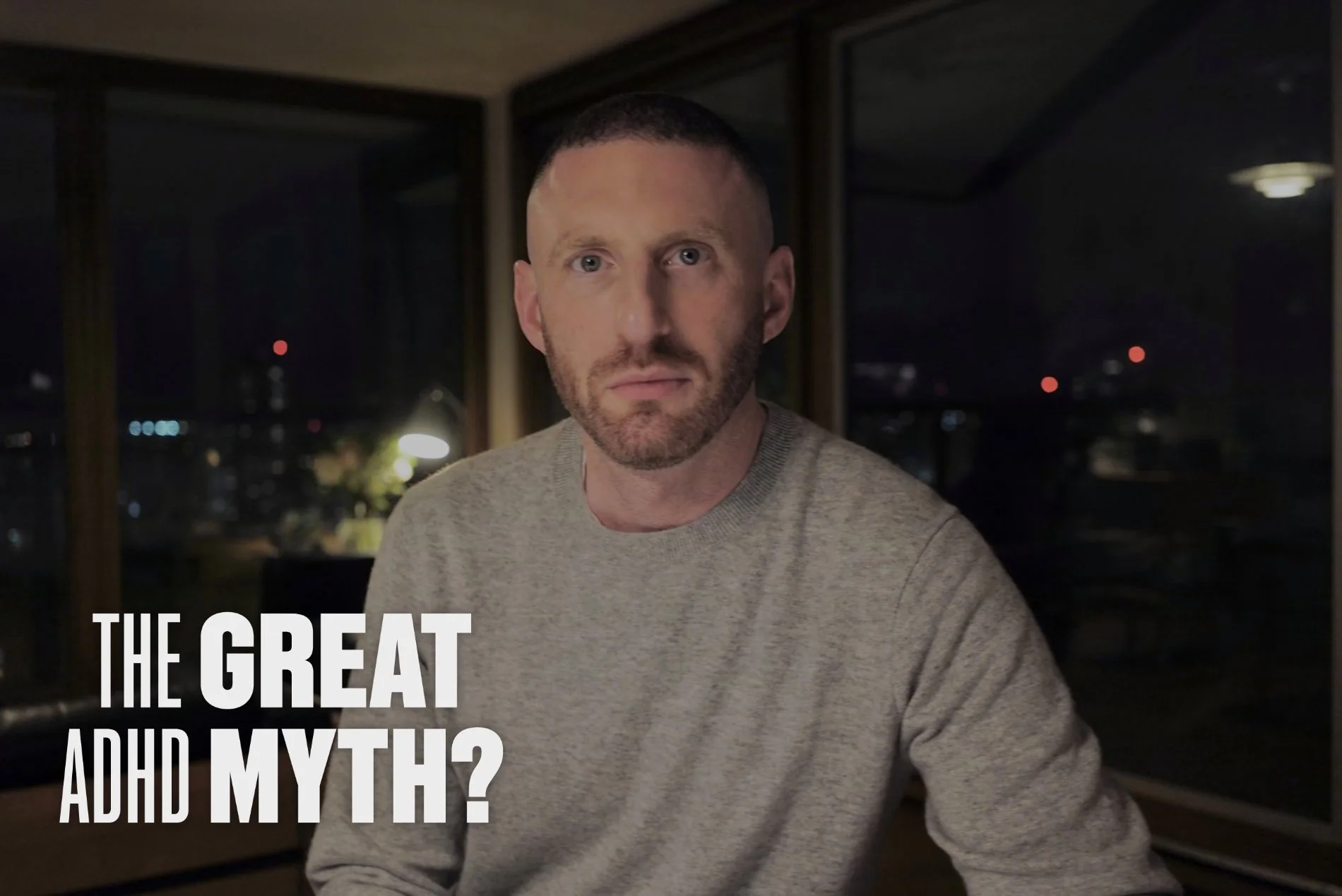
Let’s talk about Channel 4’s “The Great ADHD Myth?”. Airing on 18th August and soon labelled "the most controversial show of the year", with charities like ADHD UK setting up dedicated pages on their website to quickly and easily complain to Ofcom about it – what's going on? Well, I'll do my best to tell you.
First of all, Max Pemberton – the documentary's host. Who is he? I don't mean that in a dismissive way, he probably doesn't know me either, but the show very much assumes we know who he is – introducing him as a psychiatrist of 25 years and a writer, for who I wonder?
Oh.
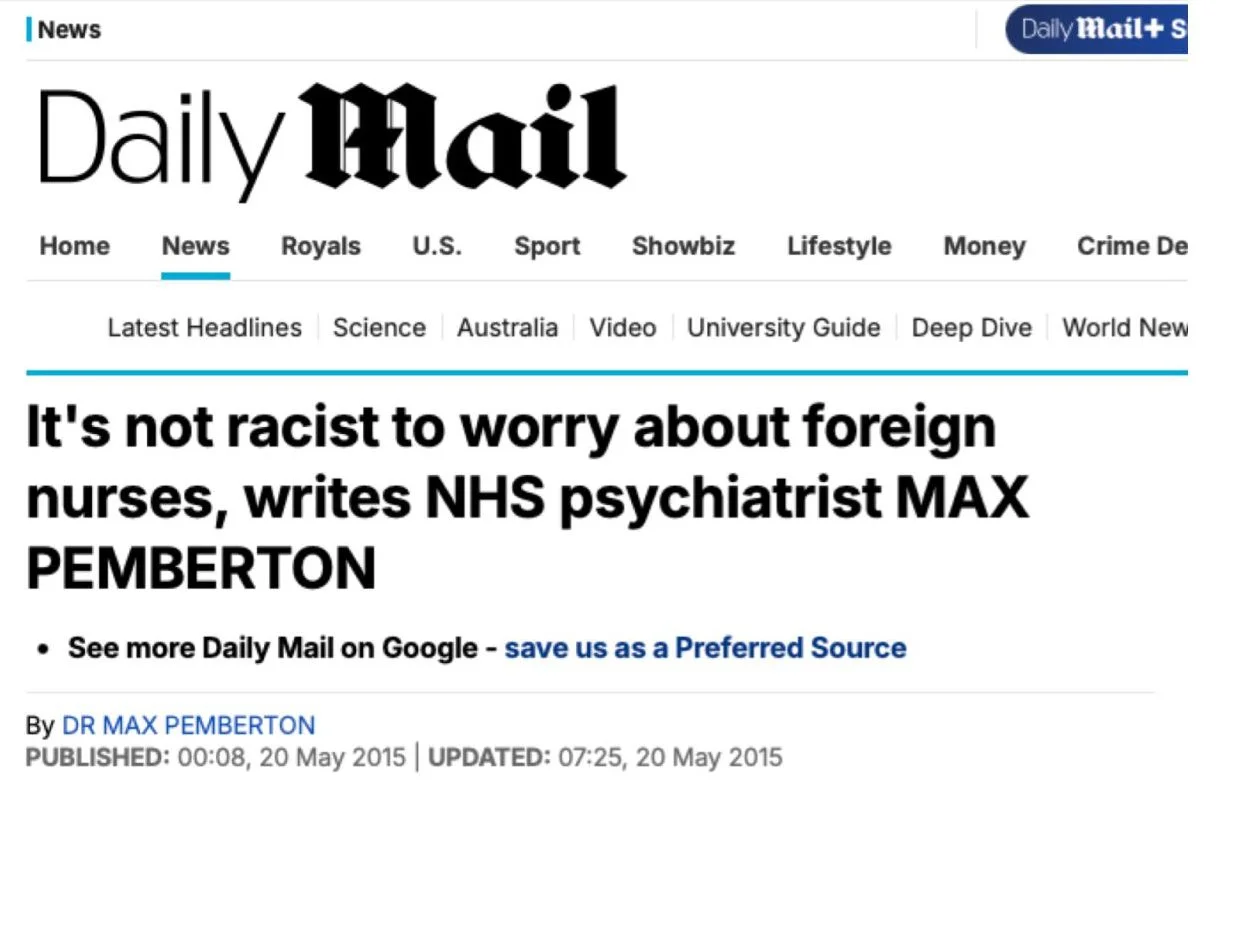
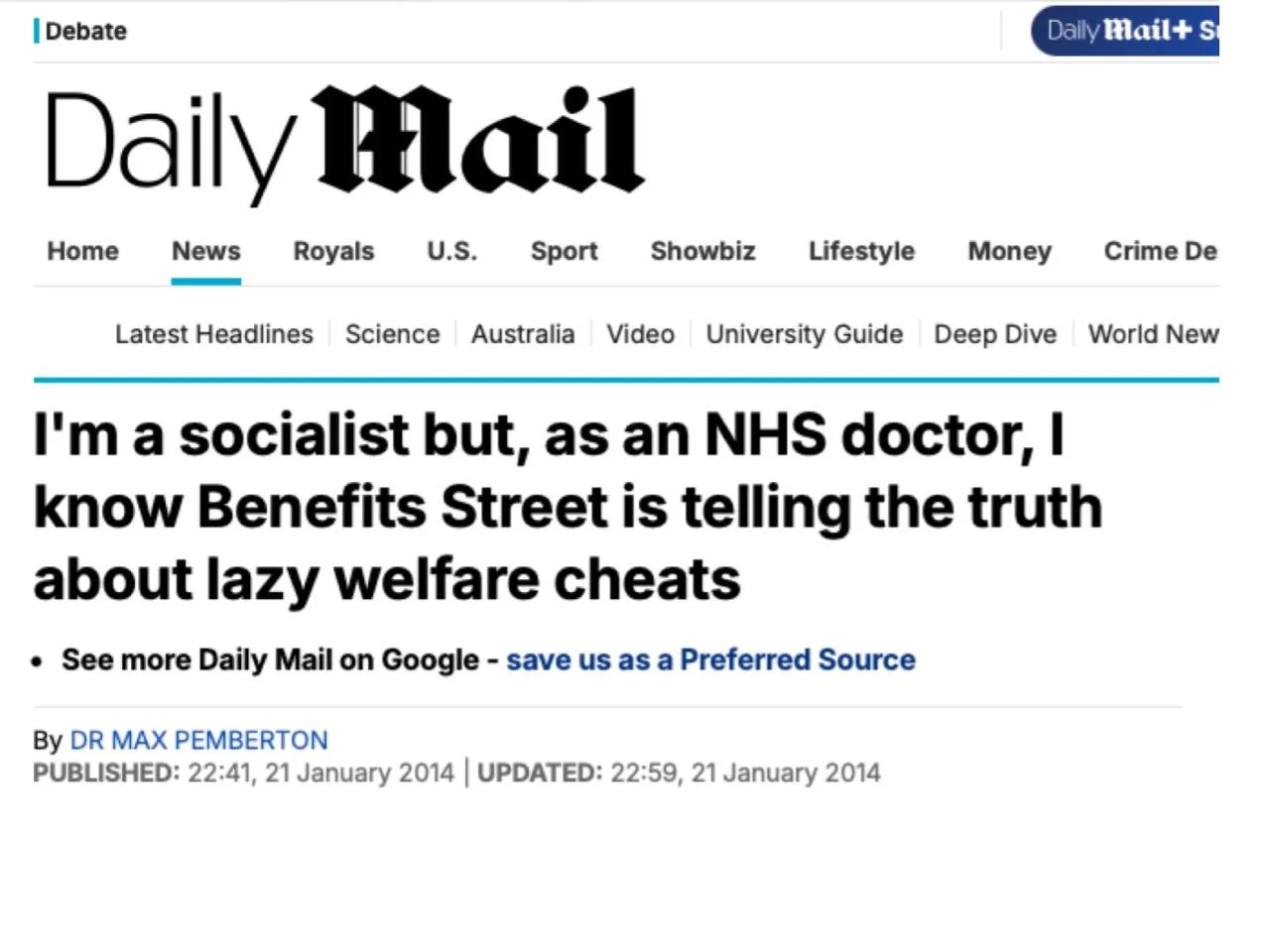
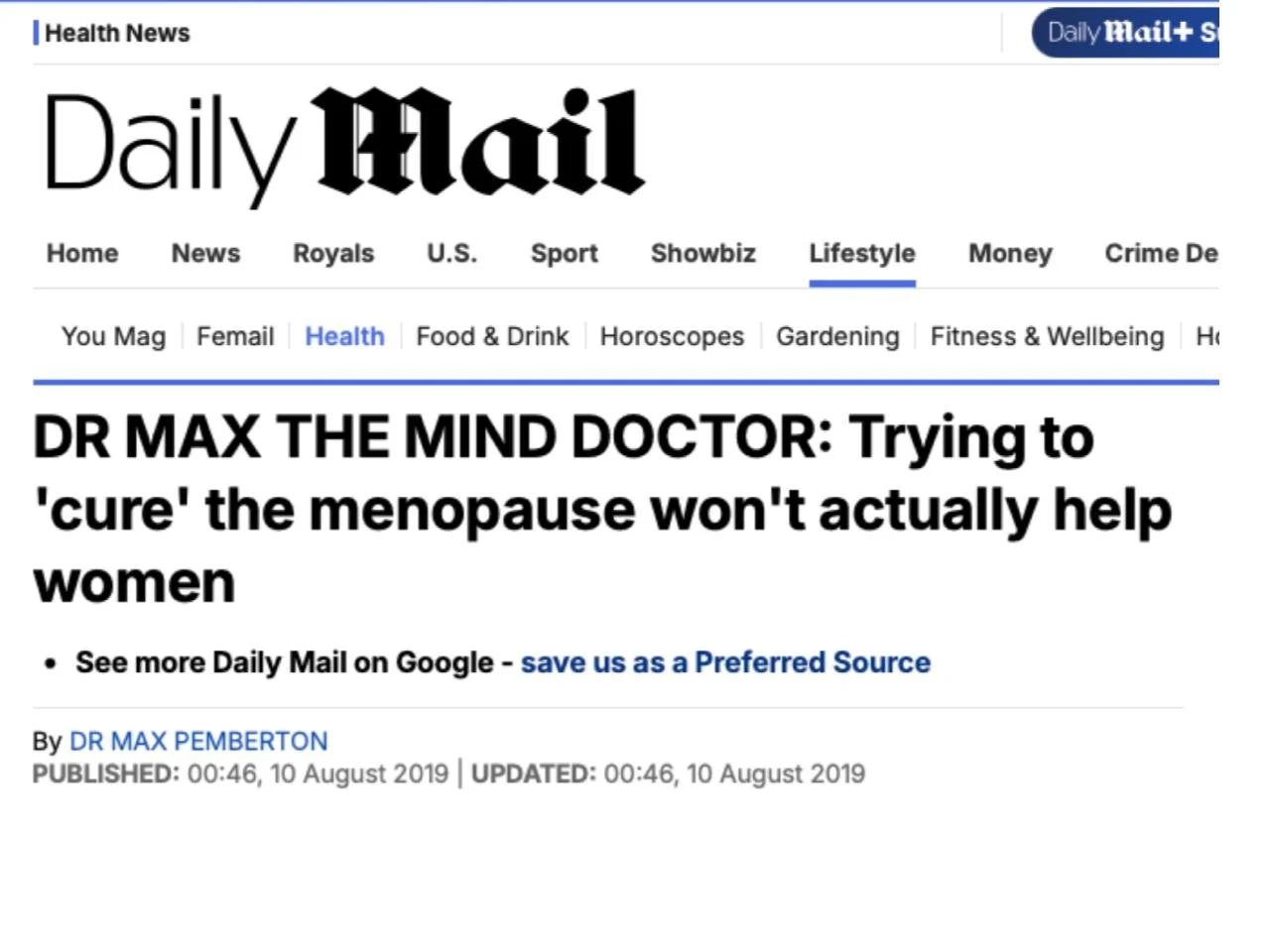
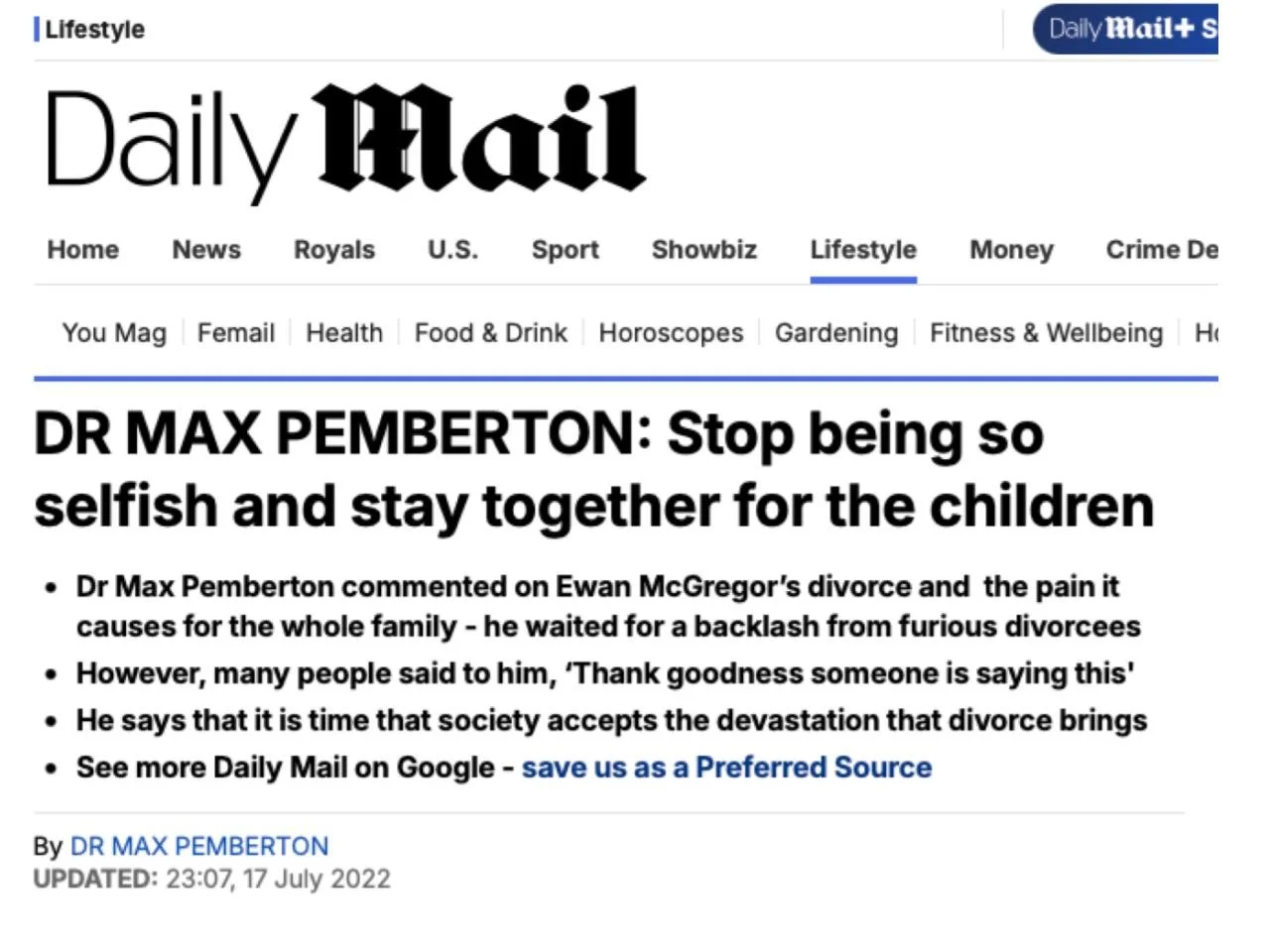
Now look, we can tell going into this documentary that it has an agenda – a hypothesis it has decided upon before formulating the argument behind it. I can practically hear the meeting where they were argued into adding the question mark at the end, but what are the arguments actually being made here?
Claim 1: “ADHD is overdiagnosed”
There is an unsourced claim in the first quarter of the documentary that "10 years ago, ADHD was relatively rare in children and...hardly ever seen in adults". I have to imagine this is a subjective view from Max's experience as a practitioner because the earliest NHS data I can quickly find on this is from May 2025, where 2,498,000 people in England were estimated to have ADHD – estimates that actually decreased a year later to 2,492,000.
There is a point early in the documentary where Max says "practically every famous person you've ever heard of" has ADHD, visibly reading from a Google AI overview. To say it's "practically every" celebrity feels dismissive – and naturally isn't true, though if you're curious about celebrities that have spoken publicly about being diagnosed with ADHD, or strategies they have implemented to manage their ADHD, look no further than ADHD UK’s list.
Max himself is diagnosed with ADHD in the documentary – a session the film doesn't show both sides of, so we can't be sure of how the conversation goes to lead the practitioner to that conclusion. This was a curious addition to the documentary to me as although it is perhaps intended to be a smoking gun indicating how easy it is to get diagnosed, I read it more empathetically – hoping Max recognised something in himself and gained a deeper understanding for the future. It doesn't seem like he did, or the documentary was never going to show it if he did as it undermines the point they're trying to make, but maybe on some level it got through to him.
Claim 2: “ADHD treatment leads with medication, particularly in children, and it shouldn’t”
This is one of those areas where there are interesting points being discussed, but in a loaded way. One of the experts brought onto the documentary describes the ADHD medication prescribed to children as "effectively slow release cocaine" which is, obviously, intended to shock.
There is another point where the documentary's case study, 10 year old Mason, says in an absolute gift to the film crew, that his medication "takes [his] fun-ness away" but that he has to take them. But what is missing from the conversation is the journey his Mum went on to gain the diagnosis, what motivated her to do so, and the treatment options that were discussed with her. There is a point in the documentary where it is said that "medication should be a last resort" and it might have been, but we can't be sure with what we see in the film.
I hasten to say that I'm not a psychiatrist, of course, so I can't comment on the actual pharmacological impact of ADHD medication on children or adults, but there is an irony that after Max is diagnosed he tries the same medication that Mason was prescribed, and after doing so comments that he"would quite happily just sit and be in [his] own head" once he had taken it – which seems to imply that the medication was helping more than harming, in Max's case at least.
Claim 3: “ADHD is a myth”
This is an interesting one because the documentary ends with a confidence that suggests that it has argued this point beyond all doubt.
Initially, it attempts to refute the commonly-held belief that an ADHD brain is wired differently to a neurotypical brain – and it does so by speaking to brain imaging expert Professor Katya Rubia, who says there is a difference, albeit a small one in ADHD brain scans. Is it enough to diagnose ADHD from a brain scan alone? No. There is "no single marker" that would enable us to do that, but there is a difference.
We then get to a comment made by an expert featured in the documentary, that ADHD is based more on behaviour, not physical difference – which, yes, I'd be inclined to agree with. But that doesn't make ADHD a myth, just something you can't objectively measure or determine.
Which brings me to my main point, about ADHD or any other diagnostic label you might look to seek. There is a point in the documentary where Max, after having been diagnosed with ADHD himself, turns to the camera and says that there is "no part of [his] life that is disabled by [ADHD]" which, is fine. That doesn't mean that others will necessarily feel the same way. It's a conversation I have with clients curious about whether they might be neurodivergent or not – what would the label do for them?
Some clients respond and explain that it would grant them certain forms of support or understanding in work which, yes, makes sense – others say it makes them feel less alone or unusual. Some even say it gives them a clearer idea of what to Google to find coping mechanisms and techniques to manage their experience of it. The reasoning doesn't matter, so long as there is one, and it is a decision made entirely of their own volition.
Max is in a unique position of getting an ADHD diagnosis exclusively as a stunt of sorts for a documentary, but maybe when he reflects on it, he might see some truth to it, and maybe even understand himself and his brain a little better. Does his documentary prove beyond all reasonable doubt that ADHD is a myth? I don't think it does. Could it make some of its arguments more elegantly and even-handedly? Absolutely, and if you did find any of its content offensive or inappropriate, you should exercise your right to complain to Ofcom – and if you haven’t seen it, it’s free on 4oD and a fairly short watch, see what you make of it.